When storage makes sense
- Your sale completes before your purchase, even by a few days.
- You are moving into rented accommodation between homes.
- The new house needs work before you move furniture in.
- You are downsizing and want time to decide what to keep.
- You are moving abroad or returning and the dates do not align.
How containerised storage works
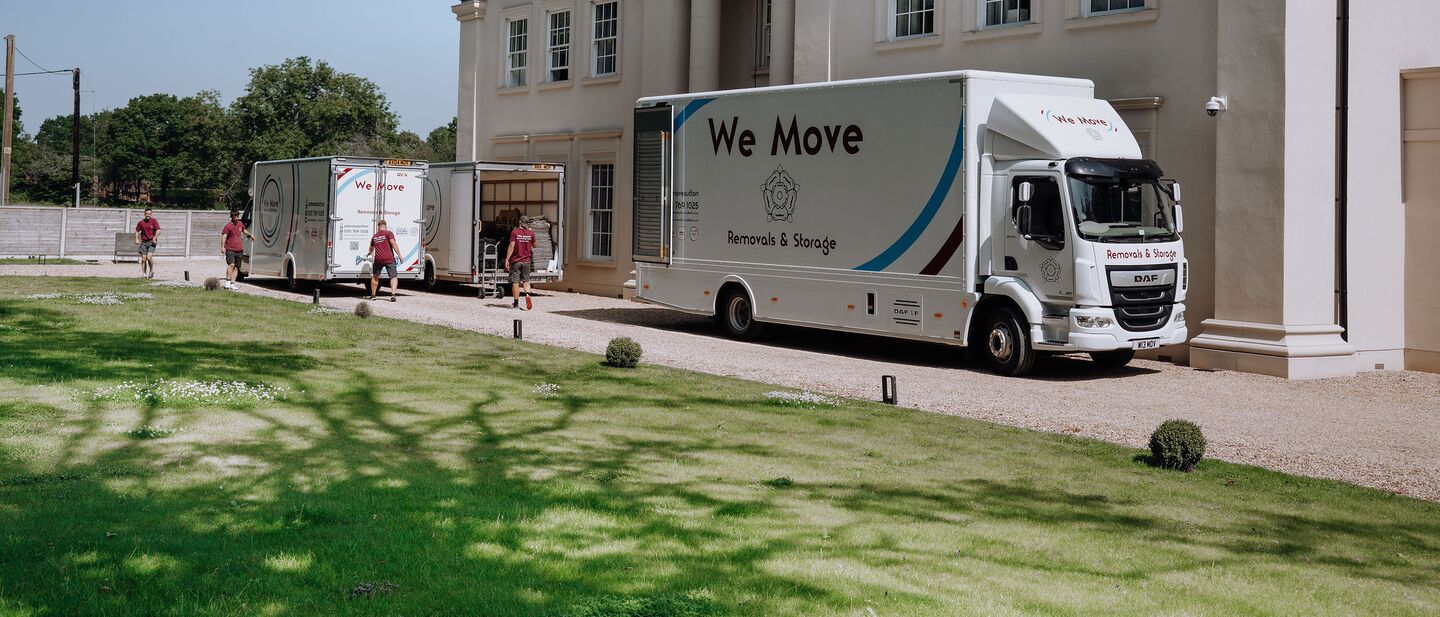
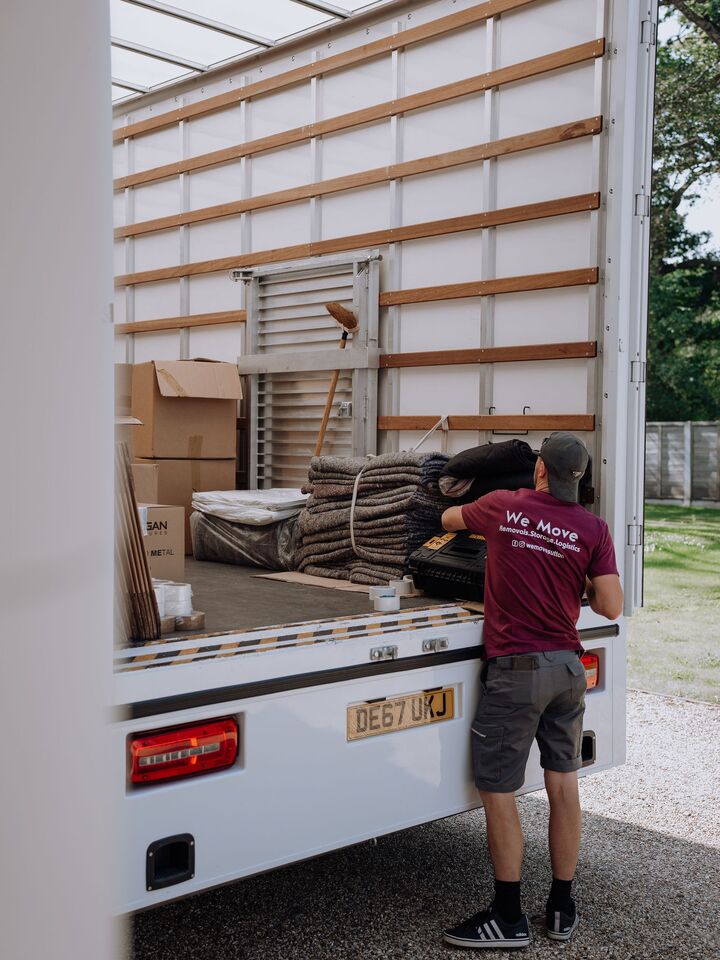
Your goods are loaded by the crew into dedicated wooden containers, usually at your home, with an inventory taken as they go. The sealed containers are then transported to the warehouse and are not opened until redelivery. This means your belongings are handled once at each end rather than being unloaded, re-stacked and re-loaded. When you are ready, the containers are brought back and unpacked into the new home.
What to keep out of storage
- Documents, passports, jewellery and anything irreplaceable.
- Perishable food, plants and anything that can leak or attract pests.
- Anything you may need in the next few weeks — think seasonal clothing, children's school items, tools for the new house.
- Flammables, gas bottles and aerosols, which storage facilities will not accept.
Planning the dates
Short-term storage of a few days or weeks is common and does not need to be complicated. Tell the surveyor that storage is likely so it can be costed, agree how much notice is needed for redelivery, and keep a copy of the inventory. If you later need something out early, ask — it is usually possible, though it depends on where the item sits in the container.